Handwriting Expert Analysis vs. Graphology: What California Courts Actually Accept
When attorneys and litigants in Los Angeles area courts search for help with disputed documents, the term "handwriting expert" can return results for two very different disciplines. This article explains the distinction between forensic handwriting analysis and graphology, why California courts treat them differently, and what qualified expert evidence looks like under state admissibility rules.
Two Disciplines That Look Similar but Are Not
Forensic handwriting analysis and graphology both involve examining writing, but their goals and methods are completely different. Understanding that difference can determine whether evidence survives a court challenge or gets excluded.
Graphology studies handwriting to infer personality traits, emotional states, or behavioral tendencies by looking at features like letter slant, spacing, and pressure. It may appear in recruitment or corporate profiling, but it is not designed to identify authorship or detect forgery.
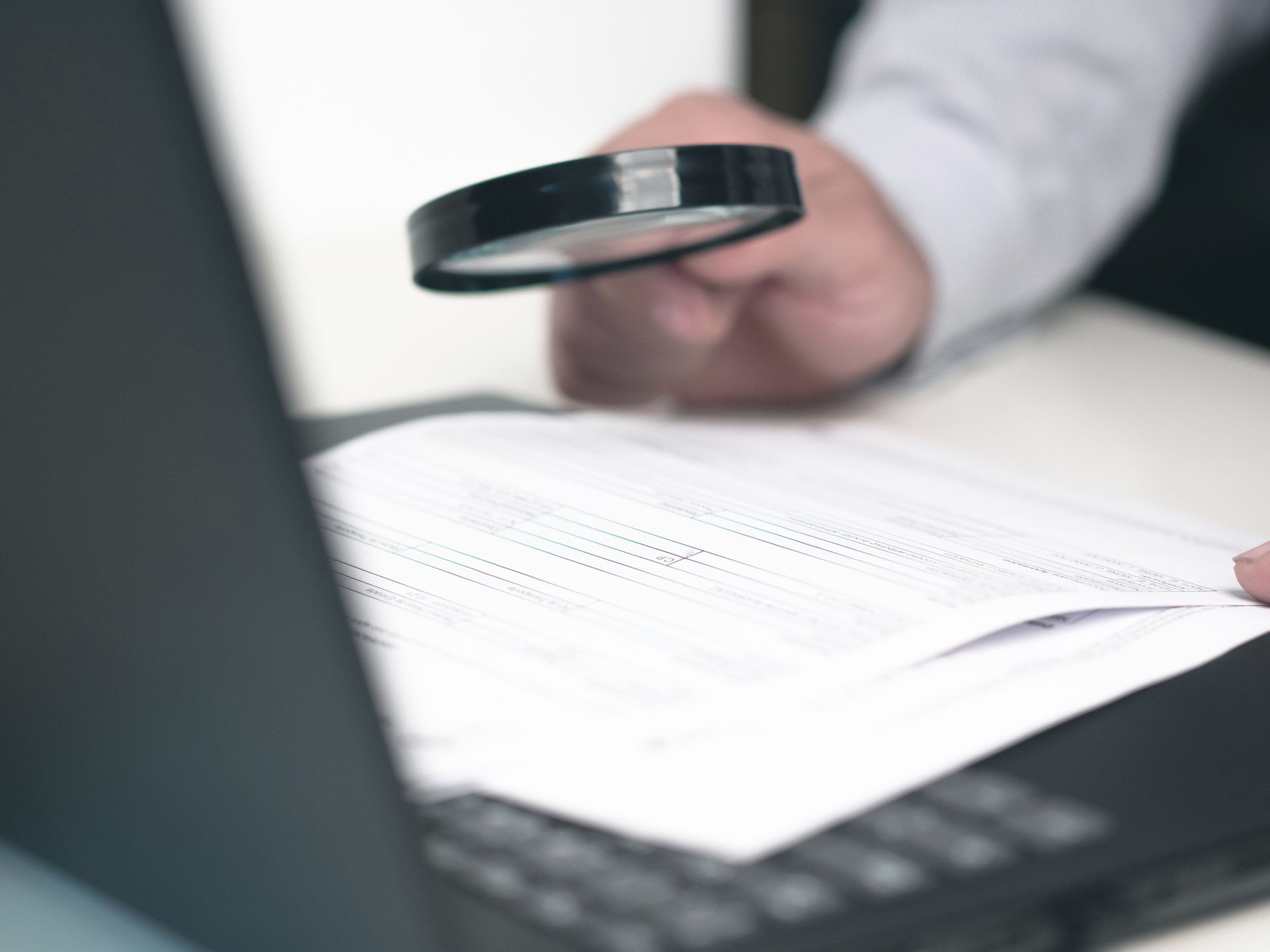
Forensic handwriting analysis is a science built around comparison and identification. A qualified handwriting expert examines questioned documents against known writing samples, evaluating letter formations, line quality, pen lifts, pressure patterns, and stroke sequences to determine whether the same person wrote both. The goal is objective identification, not psychological interpretation.
What Is the Kelly-Frye Standard and Why Does It Matter?
California courts apply the Kelly-Frye standard to determine whether scientific evidence may be admitted at trial. The underlying method must be generally accepted within the relevant scientific community before a judge will allow expert testimony.
Forensic handwriting comparison meets this bar. It is widely recognized in the forensic science community and has been held admissible under both Frye and Daubert standards across many jurisdictions. California's two-step process requires the offering party to show that the method is reliable and that the expert is qualified to apply it.
Graphology does not meet this standard in the courtroom context. Courts have consistently declined to admit graphological testimony on authorship or document authenticity because graphology lacks the measurable validity and reproducible methodology that admissibility rules require. At least one published case involved a judge ruling that a graphologist was unqualified to testify as a handwriting and document examination expert. Retaining the wrong type of examiner can cost an attorney the ability to use that evidence at all.
What Qualifications Should a Forensic Handwriting Expert Have?
Courts evaluating admissibility may consider training background, board certification, experience in accredited laboratory environments, and independent proficiency testing. Certification from the American Board of Forensic Document Examiners (ABFDE) is widely regarded as the professional benchmark. The ABFDE verifies that anyone representing themselves as a forensic document examiner has the necessary skills and training to do so reliably. Experience providing expert testimony in Federal and Superior Courts further supports an expert's credibility when qualifications are challenged.
Graphologists are generally not certified through forensic credentialing bodies and do not hold the accreditation courts look for when evaluating scientific reliability.
What Types of Cases Benefit From a Forensic Handwriting Expert in Los Angeles?
Document disputes arise across a significant volume of Los Angeles Superior Court litigation each year. Common matters include will and trust contests involving disputed signatures, business litigation over contract authenticity, insurance fraud involving altered forms, criminal cases involving forged checks or anonymous letters, and real estate disputes over deed signatures. In each context, a qualified forensic examiner can provide objective findings, a written report, and testimony that meets California's admissibility requirements. A graphologist cannot reliably fill that role.
What Evidence Does a Forensic Examiner Actually Produce?
A qualified forensic handwriting expert can analyze questioned documents, examine known writing exemplars, form an expert opinion, prepare a written report, and testify at deposition or trial. The comparison process relies on documented forensic techniques grounded in the principle that no two individuals produce identical handwriting across all characteristics.
Courts may also allow a forensic document examiner to assist with case strategy by reviewing opposing experts' methods and suggesting questions for cross-examination.
When Should You Retain a Forensic Expert Rather Than a Graphologist?
Retain a forensic handwriting expert any time a case involves authorship disputes, forgery allegations, signature verification, or document authentication. These are court-bound questions that require scientific methodology and a qualified expert willing to defend their findings under cross-examination. Graphology is simply not the right tool when the question before the court is whether a person wrote or signed a specific document.
Frequently Asked Questions
Is Graphology Admissible in California Courts?
Graphology is generally not admissible in California courts. It lacks the reproducible, validated methodology that Kelly-Frye requires for handwriting authorship or document authentication questions.
What Is the Kelly-Frye Standard in California?
Kelly-Frye is California's test for scientific expert testimony. It requires that the method be generally accepted in the field and that the expert be qualified to apply it.
How Do I Know If I Need a Forensic Handwriting Expert?
If your case involves a disputed signature, forgery, or document authenticity, you likely need a forensic handwriting expert rather than a graphologist.
What Does a Forensic Handwriting Expert Look at During an Examination?
A forensic handwriting expert examines letter formations, pen pressure, stroke direction, spacing, and individual writing habits across questioned and known samples.
Work With Forensic Document Examiners Serving Los Angeles
Attorneys and litigants in Los Angeles, CA, who need a certified handwriting expert for a contested document matter can contact Integrated Forensic Services, LLC to discuss their case. The firm serves Los Angeles and surrounding areas, with examiners certified by the ABFDE and a record of expert testimony across California's Federal and Superior Courts.
Learn more about the full range of forensic document examination services offered, or reach out directly to speak with an examiner. Call (916) 847-8552 to get started.