Can a Handwriting Expert Detect a Forged Signature? What Los Angeles Courts Accept
Forged signatures appear in wills, business contracts, real estate deeds, and financial documents every day across Los Angeles County, CA, and a qualified forensic examiner can often detect them through rigorous scientific analysis. This post explains how that process works, what examiners look for, and how California courts decide whether that testimony can be admitted at trial.
What Forensic Handwriting Analysis Actually Means
Forensic handwriting analysis is a systematic, evidence-based method of comparing a questioned signature or document against known writing samples. It is not graphology, which attempts to assess personality from penmanship. Forensic document examiners apply standardized methodology to answer a single legal question: did a specific person write or sign this document?
The distinction matters greatly in a courtroom setting. California courts may admit forensic document examination testimony precisely because it is grounded in scientific methodology, not opinion or intuition. Attorneys, private investigators, and corporations serving the Los Angeles, CA, area regularly rely on a handwriting expert to resolve disputed documents before or during litigation.
How Examiners Detect a Forged Signature
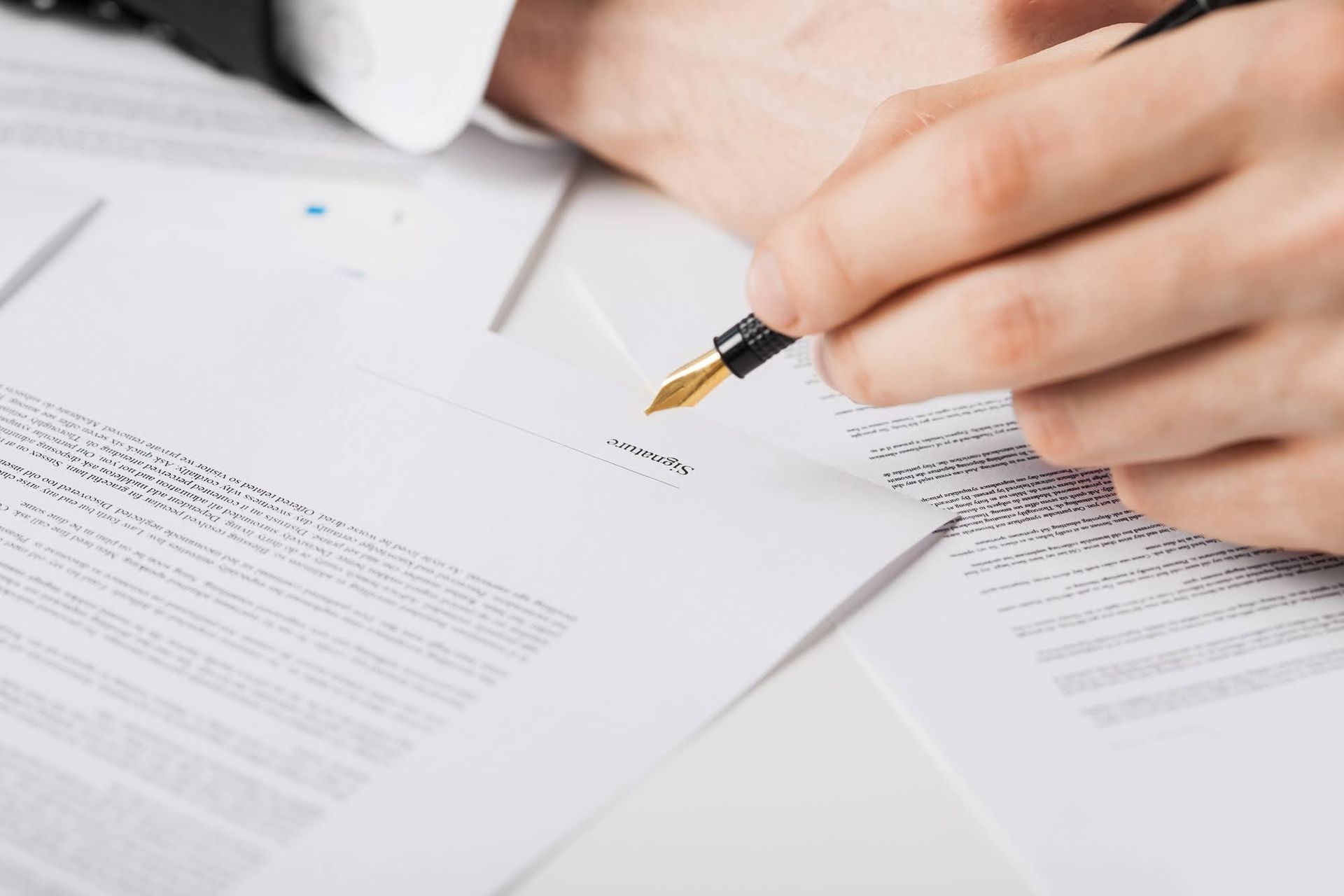
A trained examiner can identify several types of forgery by studying the physical characteristics of a signature. Detection begins with side-by-side comparison of the questioned signature against verified exemplars from the same writer.
Key characteristics an examiner may study include:
▸ Pen pressure patterns, which reveal the natural force a writer applies and can expose a forger's hesitation or tracing attempt.
▸ Letter formation habits, including how specific letters connect, loop, or terminate in ways unique to the original writer.
▸ Baseline alignment, meaning the path a signature follows relative to a horizontal line, which tends to be consistent in genuine writing.
▸ Pen lifts and stroke sequence, showing where the pen left the page and in what order strokes were made.
▸ Line quality, including tremor, speed, and fluidity, which forgers often fail to replicate naturally.
▸ Proportionality of letter height, spacing, and slant across the entire signature.
A genuine signature is typically written quickly and automatically. Forgeries, even skilled ones, often show signs of slowness, unnatural tremors, or retracing that reflect the cognitive effort required to copy an unfamiliar movement. These physical indicators can be documented, measured, and presented as evidence. When signature authentication is issued, engaging a forensic examiner early in a case gives attorneys the best opportunity to preserve and evaluate available evidence.
For a deeper look at this process, see the forensic handwriting analysis service page.
What Do Los Angeles Courts Require from a Handwriting Expert?
California state courts, including those in Los Angeles County Superior Court, follow the Kelly/Frye standard rather than the federal Daubert standard. The state of California follows the Frye test for expert witness admissibility. Under this standard, expert testimony based on a scientific technique is admissible only if the technique is generally accepted as reliable by the relevant scientific community, with the test focusing on the methodology itself rather than the conclusions the expert draws.
For handwriting experts, this means the examination methods they use must be recognized within the forensic document examination community. The testimony of a qualified examiner is admissible in court under both the Daubert and Frye standards. Federal cases filed in the Central District of California, which covers Los Angeles, use the Daubert framework instead. Under Daubert, the trial judge acts as a gatekeeper who weighs several factors, including testability, peer review, known error rates, professional standards, and general acceptance.
Attorneys in Los Angeles need to understand which standard applies to their case. A state court motion and a federal court motion require different approaches to qualifying an expert's methodology. Consulting a forensic examiner before filing can help counsel anticipate admissibility challenges under either framework.
What Credentials Do Courts Look For?
Trained handwriting expert witnesses may be certified by the American Board of Forensic Document Examiners (ABFDE), and several courts have recognized ABFDE certification as a valid credential for a forensic document examiner. The American Society for Testing and Materials (ASTM) also publishes standards for forensic document and handwriting analysis.
Examiners who have testified repeatedly in federal and superior courts, including in depositions and administrative hearings, may carry added credibility with judges and juries. Prior court acceptance of a method can also help establish general acceptance under the Kelly/Frye test used in California state court. When selecting a forensic examiner, attorneys should verify both certification and a documented record of court testimony.
Types of Los Angeles Cases That May Involve Signature Forgery
Forgery disputes arise across a wide range of legal matters. Los Angeles County courts frequently see these cases in the following contexts:
▸ Will and probate contests, where a beneficiary or heir challenges the authenticity of a testator's signature.
▸ Real estate deed fraud, which has affected neighborhoods across the greater Los Angeles area, including cases involving quit- claim deeds signed without the owner's knowledge.
▸ Business contract disputes, where a party denies signing an agreement or claims a signature were altered.
▸ Elder financial abuse cases, in which caregivers or family members may forge signatures on power-of-attorney or banking documents.
▸ Insurance fraud investigations, including policy applications or claim forms with questioned signatures.
In each of these scenarios, a forensic handwriting examiner may provide a written report and, if needed, expert witness testimony to support or challenge a claim of forgery.
What About Digital or Printed Signatures?
Electronic and printed signatures present different challenges, but forensic document examiners may also analyze computer-generated documents, digital signature metadata, and the printing processes used to create them. In Los Angeles County courts, these examinations may be relevant in cases involving contracts signed via e-signature platforms or documents where the signature appears to have been copied and pasted.
Connect With a Forensic Expert Serving Los Angeles
Understanding what courts accept is the first step. The next step is working with an examiner whose credentials, methodology, and testimony history can withstand courtroom scrutiny. Integrated Forensic Services, LLC, serving Los Angeles, CA, provides forensic handwriting analysis and signature authentication to attorneys, law firms, corporations, and private investigators throughout the region. If you need a forensic examiner, their team brings the certified credentials and courtroom experience that legal matters demand.
To discuss a questioned document or schedule a consultation, visit the Los Angeles forensic services page or reach out through the contact page. You can also call (916) 300-3445 to speak with a qualified examiner directly.