How a Forensic Document Examiner Works: A Step-by-Step Process Explained
Forensic document examination is a structured, science-based process that helps courts, attorneys, and individuals determine whether a document or signature is genuine. Whether you are an attorney working on a case in Los Angeles, CA, or a self-represented litigant trying to understand what an expert actually does, knowing how these examinations are approached can help you make informed decisions. This article walks through the process from the first phone call to testimony in court.
Step 1: Document Intake and Case Submission
A forensic document examiner begins every case with a careful intake process. Before any physical examination begins, the examiner collects background information about the case, including the type of dispute, the documents involved, and what questions need to be answered.
The examiner will typically request the original questioned documents whenever possible. Photocopies can limit certain types of analysis, such as ink testing or indentation examination. During intake, the examiner also establishes the chain of custody, documenting who has handled the documents, when, and in what condition. In legal proceedings, these records may be reviewed by opposing counsel and the court.
Step 2: Examination Methodology
A forensic document examiner applies multiple scientific methods during the examination phase. Each method targets a different element of the document.
Handwriting and Signature Comparison
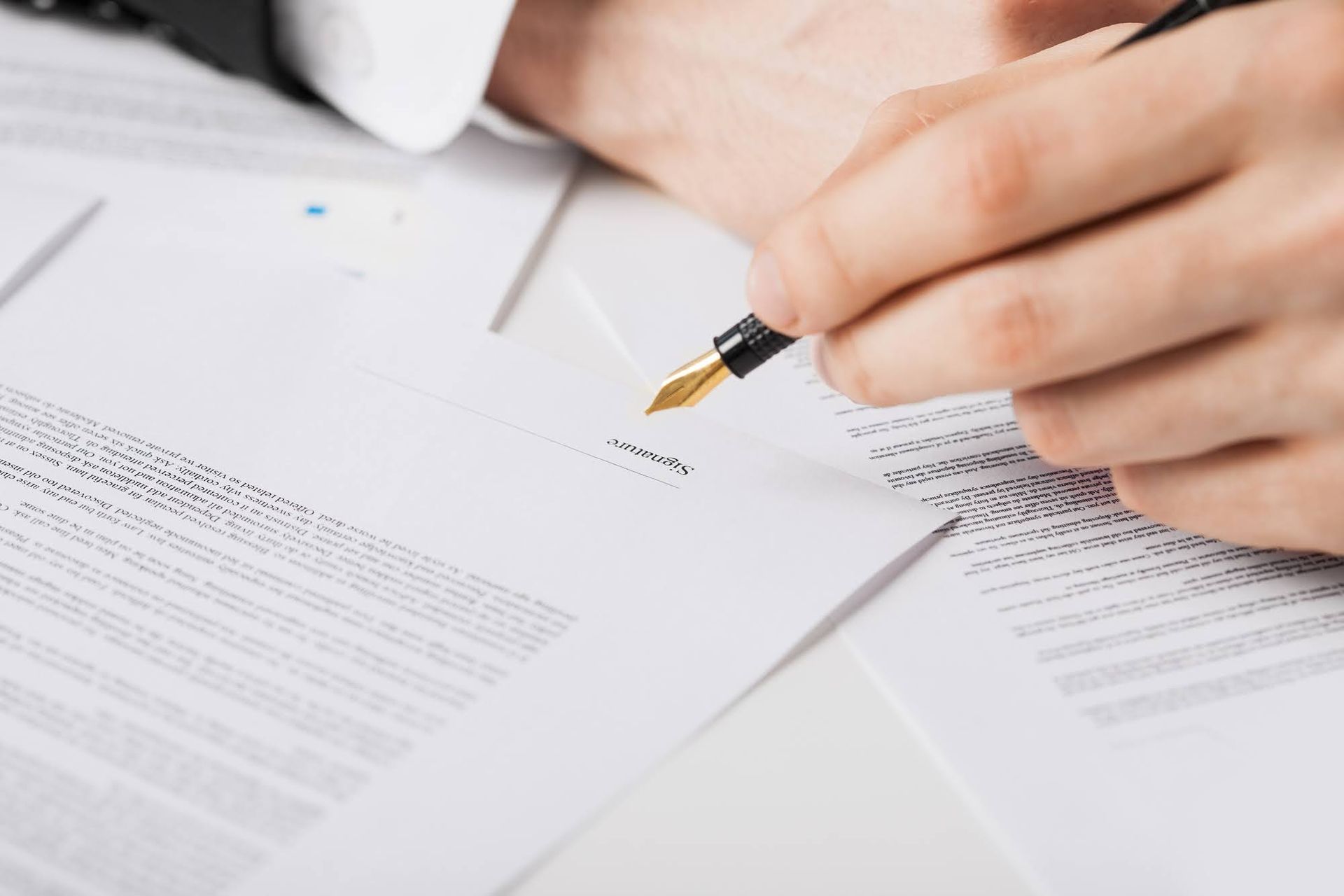
The examiner compares questioned writing against known samples, called "exemplars," from a verified author. The comparison focuses on habits, letter formations, pen lifts, and pressure patterns specific to an individual. For cases involving wills, contracts, deeds, or other legal documents filed in Los Angeles County Superior Court, handwriting comparison can be central to the outcome.
Ink and Paper Analysis
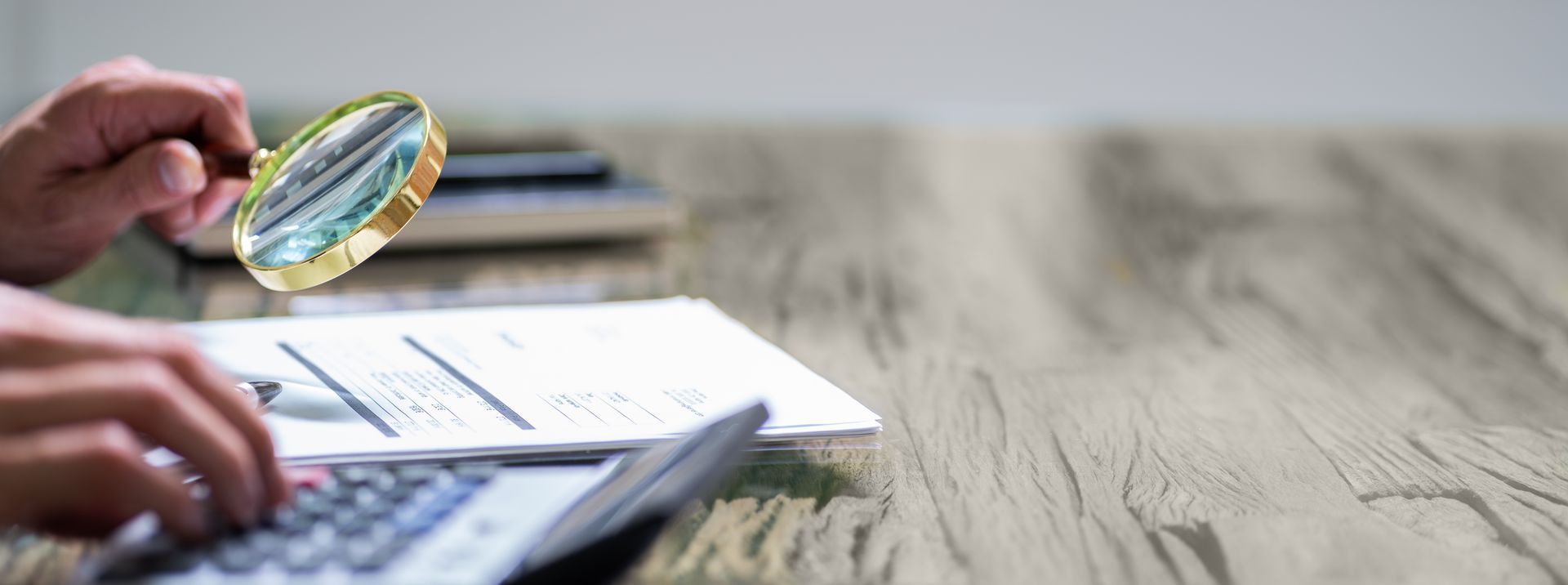
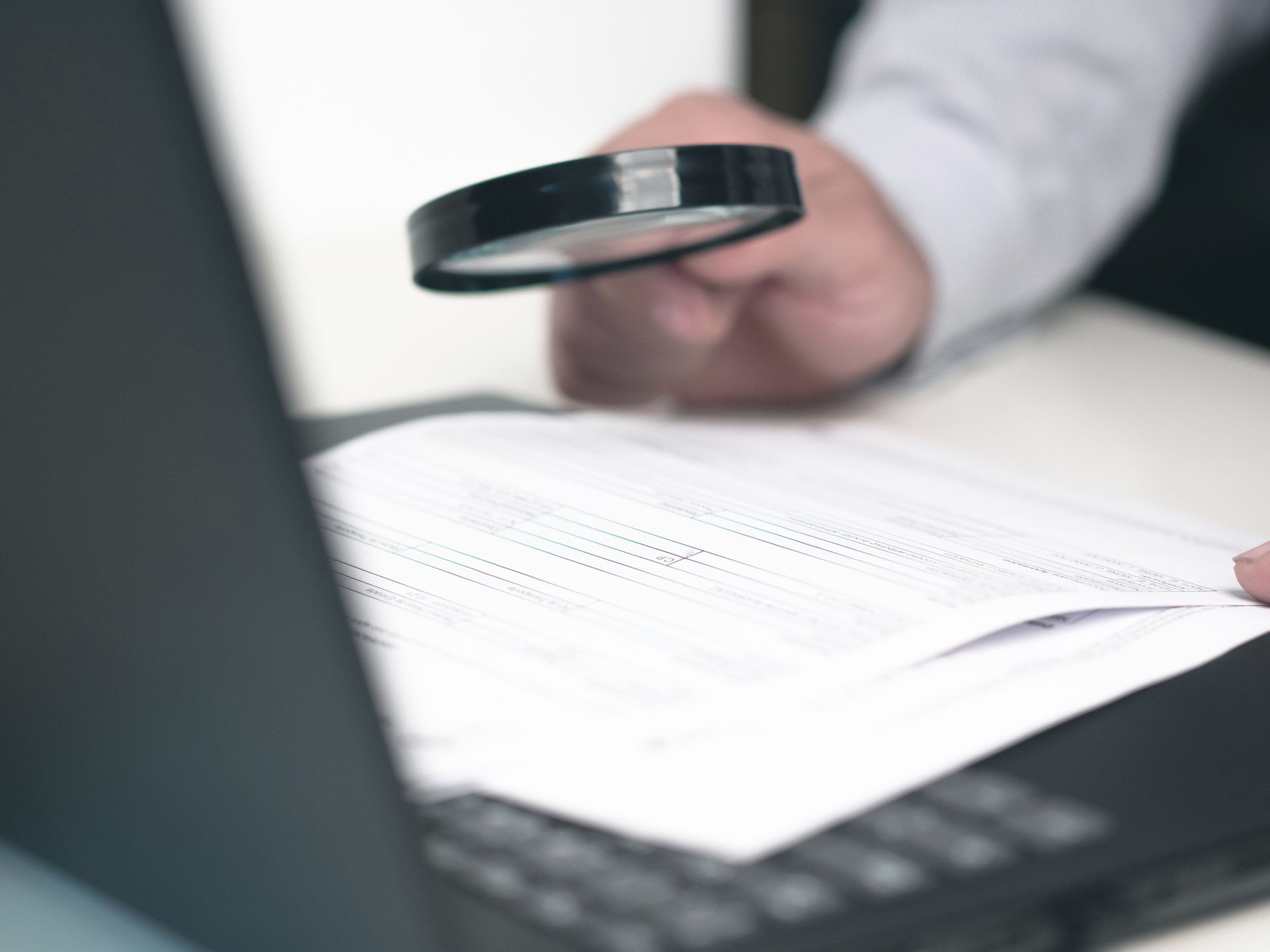
Ink analysis can help determine whether a document was written with a single pen or multiple pens, and whether different entries were made at different times. Examiners may use non-destructive optical tools to differentiate ink types without altering the document. Paper examination looks at fiber composition, watermarks, and aging characteristics, which can raise questions about whether a document is as old as claimed.
Altered and Fabricated Document Detection
A forensic document examiner looks for signs of erasure, obliteration, additions, or page substitution. Indented writing examination can reveal impressions left on a sheet from writing on the page above it, sometimes uncovering text that was never meant to be seen. Computer-generated document examination assesses whether fonts, print quality, and formatting are consistent with the purported date of creation. Given how common document fraud has become in business and real estate transactions across Los Angeles, CA, this type of analysis is frequently requested by local law firms and investigators.
What Goes Into a Forensic Expert Report?
Every examination concludes with a formal written report summarizing findings. The report is a professional opinion, not a guarantee, and uses precise language to reflect the examiner's level of certainty. It typically includes a description of the materials examined, the methodology used, findings from each area of analysis, the examiner's conclusion (which may range from "identified" to "not identified" to "inconclusive"), and supporting charts, photographs, or comparison exhibits.
Courts in California require that expert reports meet established standards for admissibility. Examiners certified by the American Board of Forensic Document Examiners (ABFDE) follow recognized protocols that help satisfy those requirements.
You can learn more about the full range of available examinations on the forensic document examination services page.
Step 4: Testimony Preparation and Court Appearance
Expert testimony is often the final stage of a forensic document examiner's work. Preparation typically involves reviewing the report, anticipating cross-examination questions, and organizing comparison exhibits so they can be clearly understood by a judge or jury. A skilled examiner can explain complex scientific methods in plain language.
In California courts, examiners may also assist attorneys with case strategy, including identifying weaknesses in an opposing expert's methodology. This litigation support can be especially valuable in complex civil cases involving disputed wills, business contracts, or real estate documents.
What Types of Documents Can a Forensic Document Examiner Analyze?
A forensic document examiner can analyze handwriting, signatures, contracts, wills, medical records, business records, checks, and printed documents.
How Long Does a Forensic Document Examination Take?
Timelines vary by case complexity. Simple cases may wrap up in weeks, while more complex matters take longer.
Can a Forensic Document Examiner Work From Photocopies?
Original documents are strongly preferred. Photocopies may support handwriting comparison but limit ink and paper analysis significantly.
What Is an ABFDE Certification?
ABFDE stands for the American Board of Forensic Document Examiners. Certification confirms an examiner meets rigorous education, training, and proficiency standards.
Work With a Forensic Document Expert Serving Los Angeles
If you have a document in dispute, the right next step is a consultation with a qualified expert. Integrated Forensic Services, LLC serves Los Angeles, CA, providing forensic document examination to attorneys, law firms, private investigators, corporations, and self-represented litigants across the region.
To discuss your case, contact the team serving Los Angeles or call (916) 847-8552. You can also find Integrated Forensic Services, LLC on Google to read reviews and get directions.