What to Expect During a Forensic Consult With an Expert Witness in California
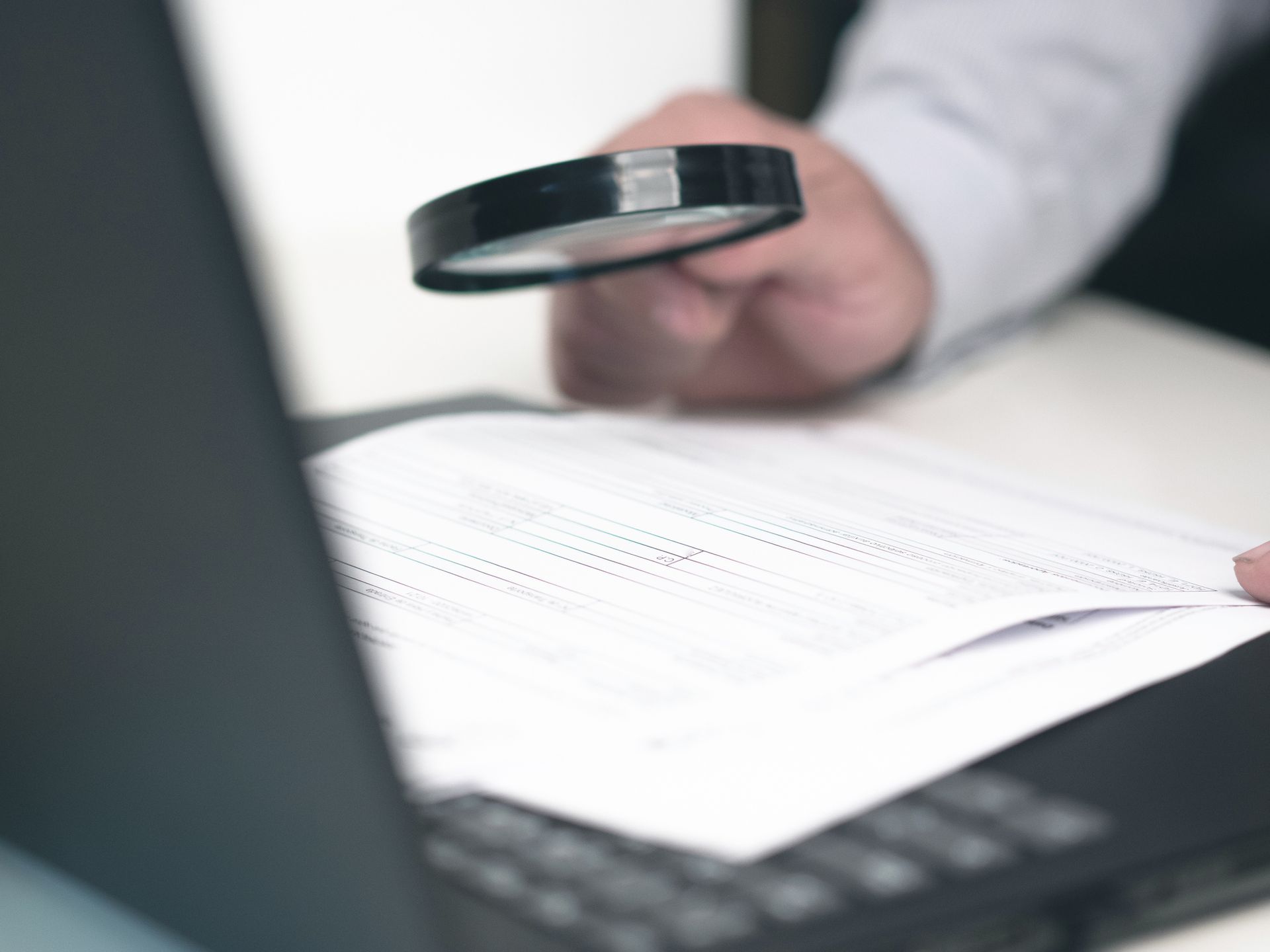
Working as a forensic expert witness in California may involve more steps than most clients expect, and understanding the consultation process from the start can help attorneys and parties prepare more effectively. Whether you are an attorney building a case or an individual with a disputed document, knowing what a Forensic Document Examiner does during a consult can save time and set realistic expectations. Forensic document examination serving Los Angeles, CA, is available through Roseville-based experts who regularly work with legal professionals across the state.
What Happens During an Initial Forensic Consult?
A forensic consult typically begins with a case intake conversation. The examiner will ask about the nature of the dispute, the types of documents involved, and what specific questions the legal matter requires answering. This first meeting is not an examination itself. It is a screening step to determine whether forensic analysis may be useful and what materials will be needed.
During intake, the Forensic Document Examiner may ask for background on the case, such as who the parties are, whether the matter is civil or criminal, and whether the case is in active litigation. This context shapes the examination scope. Attorneys and clients should be ready to describe the suspected issue, whether that involves questioned handwriting, a potentially altered document, a disputed signature, or some other concern.
What Documents Should You Bring to the Consult?
Bring the questioned documents and as much known writing as you can gather. The examiner will likely need a meaningful amount of comparable writing from the same individual during the same general time period. Courts and examiners alike recognize that comparison requires sufficient samples to reach a reliable conclusion.
You should expect the expert to assess the quality and quantity of available comparison materials during the consult itself. If the samples are insufficient, the examiner may advise you to gather additional known writing before a formal examination begins. This is a normal part of the process and does not signal a problem with the case.
Types of Documents That May Be Examined
- Wills and estate documents.
- Business contracts and agreements.
- Checks and financial records.
- Medical records.
- Court filings and legal instruments.
- Personal correspondence.
How Does a Forensic Document Examiner Evaluate a Case?
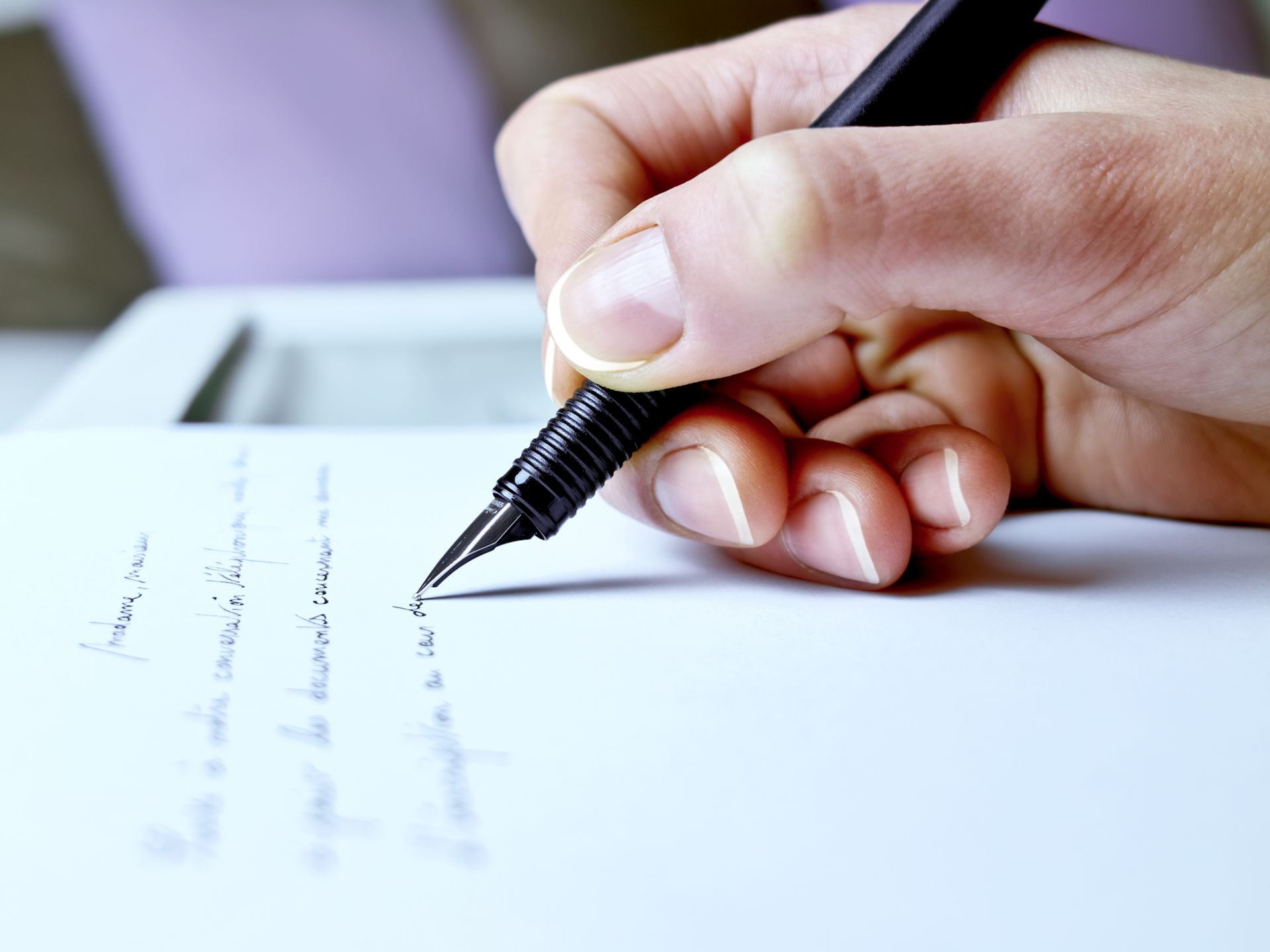
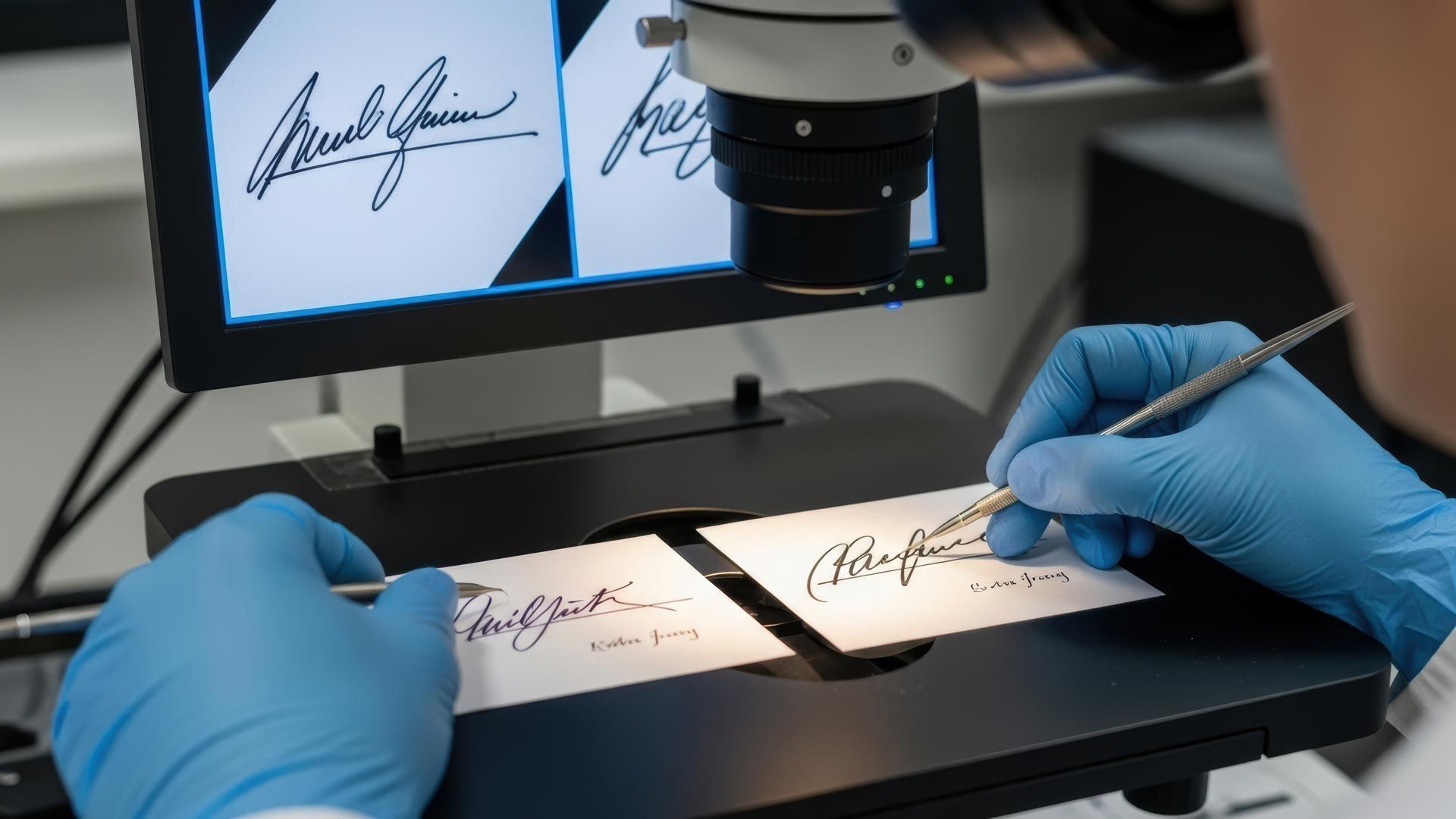
A Forensic Document Examiner evaluates disputed documents using scientific methods developed over decades of practice. After the consult, if the examiner accepts the case, they will typically begin a formal examination of the questioned material. This may involve comparing handwriting characteristics, analyzing ink or paper, examining indentations, or reviewing alterations and obliterations.
Examiners certified by the American Board of Forensic Document Examiners (ABFDE) follow established professional standards in their analysis. Certification matters because courts in California and elsewhere may scrutinize the expert's qualifications carefully during testimony. During the consult, it is reasonable to ask about the examiner's credentials, court experience, and how they approach opinion formation.
What the Examiner Will and Will Not Promise
Examiners can offer opinions based on the evidence, but they cannot guarantee a particular outcome. An honest examiner will explain that findings may support, be inconclusive about, or contradict the position of the retaining party. Courts expect expert opinions to be based on analysis of the evidence, not on who is paying for the examination.
What Is the Role of the Expert Witness in California Courts?
Expert witnesses in California serve to help judges and juries understand technical evidence they may not be equipped to evaluate on their own. A qualified Forensic Document Examiner can testify about handwriting analysis, document authenticity, and related findings in both state Superior Courts and federal courts. California courts apply standards that require expert testimony to be based on reliable methods and sufficient facts.
During the consult, ask the examiner how many times they have testified and in what types of cases. Experience in California courts specifically can matter, given the procedures and evidentiary standards that apply. Deposition preparation and trial testimony are often discussed during the initial consult as well, so attorneys can plan accordingly.
Questions to Ask During Your Consult
- What types of examinations are most relevant to this case?
- What comparison materials will you need?
- How long might the examination take?
- Will you be available for deposition and trial?
- How do you present your findings in court?
What Should You Expect After the Consult?
After the consultation, the examiner may provide a written engagement letter or fee agreement before work begins. Once materials are submitted and reviewed, the Forensic Document Examiner typically produces a written report summarizing findings, methodology, and conclusions. This report may become part of the case record and can be referenced during depositions or trial.
Timeline for completion can vary depending on case complexity, the volume of documents, and the examiner's current workload. Attorneys in Los Angeles, CA, handling time-sensitive matters should raise any deadlines during the initial consult so the examiner can assess whether the schedule is workable.
Ready to Schedule a Forensic Consult Serving Los Angeles, CA?
Roseville-based Integrated Forensic Services, LLC proudly serves attorneys and clients in Los Angeles, CA, with certified forensic document examination and expert witness consulting. With over 55 years of combined experience, Sean A. Espley and Joseph G. Merydith are ABFDE-certified examiners who have testified in Federal and Superior Courts throughout California. To discuss your case,
reach out through the contact page or learn more about available examinations on the
FDE services page. Call
(916) 300-3445 to speak with an examiner.
View Us on Google.